Choose Your Startup Co-Founder Wisely: Essential Advice for Founders
So you’ve had a light-bulb moment, a world-changing idea – you’re excited and want to share it with the world. But where do you start?
With a bombardment of advice, opinions and knowledge at your fingertips, it’s easy to feel confused. It’s no wonder so many startups falter at the starting line.
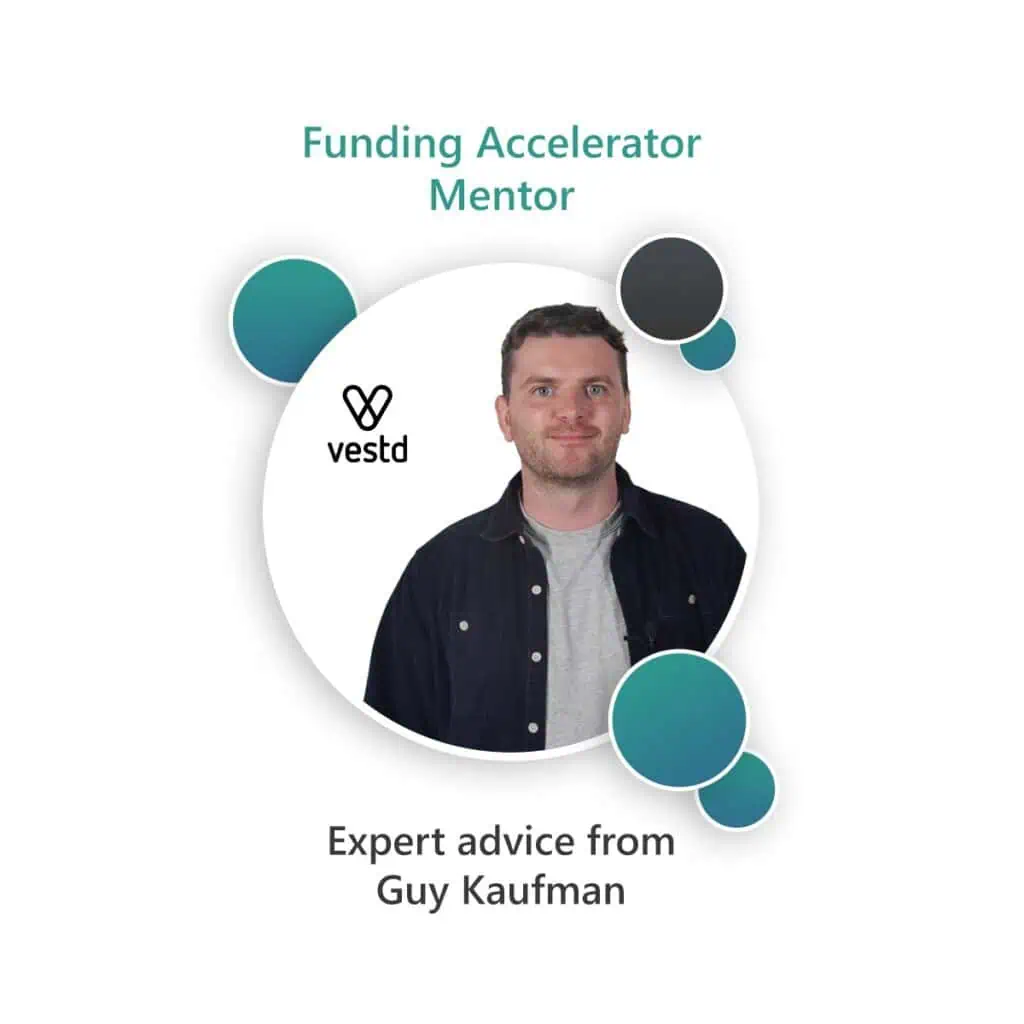
We asked Guy Kaufman at Vestd, the UK’s top-rated share scheme and equity management platform to share his advice on choosing your startup co-founder wisely.
Our first piece of advice? Connect with fellow startup founders. They are a wonderful source of advice in tackling the complexities of establishing a company and formalising agreements.
Finding a startup co-founder
Unless you are lucky enough to have met your co-founder in a professional environment and know you have great synergy, finding them can be a daunting task. It isn’t easy to find a startup co-founder who shares your vision, work ethic and passion for “the dream”.
Utilising YC, day 1 incubators like Entrepreneur One/Antler, and attending events for entrepreneurs is a great place to start. You’ll have access to like-minded individuals who have likely already embarked on this journey, learnt from many mistakes and have some wisdom to share.
However, meeting someone special doesn’t guarantee a smooth journey towards success.
The industry often draws parallels between finding a startup co-founder and the complexities of dating with good reason. Whilst it can be love at first sight – this can quickly turn into a frustrating process. When your technical startup co-founder wants to build a product, and you are still in the throes of market fit.
The process of finding a founder can be a long one; you may meet many suitors before finding “the one”. And when you do, you best be ready.
“The one”
Just imagine that you’ve found that one-in-a-million partner to collaborate with. Now it’s time to change the world. You’re shoulder to shoulder and there’s a long line of investors wanting to back you. If only it were so simple…
In the Founder’s Dilemma, Wasserman highlights that 65% of startups will fail due to founder disagreement.
As a startup co-founder, you’ll deal with problems daily, i.e. getting a new round of funding, whilst trying to safeguard your digital bank from hackers (true story). There is no room for a co-founder dispute when you are already spinning so many plates.
Difficult conversations are frequently overlooked at the beginning when you’re swept up in enthusiasm. But it could be the difference between a harmonious partnership, and a hellish one.
Time to have that talk
Take a recently exited startup co-founder who, along with his four other co-founders, sold their eCommerce. Whilst they made millions, this is by no means a success story.
Not long into his journey, he had to fire all of his co-founders and continue building the company for years on his own. All the while honouring his less-than-favourable equity split.
So what led to the collapse?
- Huge skills gaps and overlaps
- Poor working synergy
- No conflict resolution tactics
- No thoughtfully-considered equity agreements
The most common steps
Whilst no two ‘break-up’ stories are the same, a lot of issues stem from poor due diligence, conflicts without resolution, absence of formal agreements and avoiding tough conversations. There are several precautions to take that will reduce risks and the prospect of failure, including;
Due Diligence
As in life, even the best relationships involve conflict. Putting in the work at the start will greatly pay off, though it can be time-consuming.
1st Round offers a great resource; a playbook for finding a great co-founder. Sharing the 50 questions to ask your potential startup co-founder is a good starting point. This covers areas including ideation, skills, vision, goals, timelines and conflict resolution. It’s repetitive and could take you a while, but building the foundation first will aid you in going further, faster!
Having difficult conversations early
The audit will uncover the difficult questions to ask, that you’ll thank yourself for later.
Remember our Ecommerce friend? He could have avoided conflict by identifying skill gaps, overlaps and incompatible working styles early on. Having these discussions would have highlighted that there were too many chefs in the kitchen… Asking tough questions is a great time to flesh out:
- Founder excitement
- Roles and responsibilities
- Working preferences
- Funding and growth strategy
- Exit strategy
- Equity splits
Equity agreements
While a 50/50 equity split might be tempting, it can be problematic.
It’s rare that all parties will contribute equally and in the exact same way. And while some contributions are easier to recognise than others if they make a demonstrable difference to the business, are they any less worthy?
Put all your cards on the table early on. Set tangible, measurable and specific milestones for each person, and use those to determine equitynrewards.
Agile Partnerships allow founders to create legally binding agreements with conditionality, tasks and goals in place that determine when equity is released in a way that’s fair for everybody. This kind of framework motivates founders, rewards them fairly, and reassures investors.
Getting your ducks in a row
By getting these things in place, you will make yourself instantly more attractive to investors.
As a minimum, they will scrutinise you for stability and long-term viability so failing this will be a huge red flag. They don’t want their investment falling apart at the first hurdle. Avoiding such conversations shows you’re not able to have tough conversations which sets off alarm bells as it’ll drastically increase the risk
for investors, as they wonder “what else” you haven’t covered.
In the current market, aligning with your startup co-founder and implementing proper agreements should be standard practice. Consider Antler or Entrepreneur First, day-one investors who will not
support the launch of a business unless the above due diligence has been done. To them, chemistry is even more important than the idea.
Key takeaways
Once you’ve met your match, focus on alignment, clear communication about roles and responsibilities, and formalities like fair equity agreements and exit plans. Having formal agreements in place will help you handle any future conflicts and exits. It protects you and keeps investors happy. Do all of the above to give your startup the best possible chance of future success.
FAQs: Choosing and Working with a Startup Co-Founder
Why is choosing the right startup co-founder so important?
Because 65% of startups fail due to co-founder disagreements. The right partner can accelerate growth, while the wrong fit can derail your business.
Where can I find a startup co-founder?
Incubators like Antler or Entrepreneur First, founder networks, pitch events, and platforms such as YC’s co-founder matching service are common starting points.
What should I look for in a potential co-founder?
Shared vision, complementary skills, compatible working styles, and the ability to resolve conflict constructively. Passion alone is not enough.
How do I avoid disputes with my co-founder?
Have difficult conversations early. Discuss roles, responsibilities, equity splits, funding strategy, and exit plans before you formalise the partnership.
Is a 50/50 equity split a good idea?
Not usually. Contributions differ in time, expertise, and impact. Instead, set clear milestones and use them to guide fair equity agreements.
What legal agreements should co-founders put in place?
Formal equity agreements, shareholder agreements, and conditional frameworks such as Agile Partnerships help define ownership, responsibilities, and rewards.
How do investors view co-founder arrangements?
Investors expect clarity and stability. A well-structured co-founder agreement reassures them that you can handle challenges and reduces perceived risk.
What if things don’t work out with my co-founder?
Having agreements in place makes exits or changes smoother. Without them, disputes can be damaging and costly for both the business and the founders.

- Funding Accelerator FAQs - March 27, 2026
- Creating calm to bolster founder creativity: practical tools that work with Olivia Greenberg - February 9, 2026
- Ten Funding Lessons From Just Move In’s Tom Old: How Founders Can Build Momentum and Close Rounds - January 12, 2026