If you’re struggling to secure investment for your startup, you’re not alone. Many founders find the process overwhelming, especially when you are raising investment for the first or second time. You may be unsure where to look for investors, how to approach them or how to present their business in a way that gets investors excited. The reality is that raising investment isn’t just about having a great idea, it’s about demonstrating traction, understanding different types of investors, and positioning your business in a way that makes investors see that this opportunity could make them money..
So, why is securing investment so difficult? And more importantly, what can you do about it?
Why You’re Struggling to Secure Investment for your startup
1. You’re Approaching the Wrong Investors for Your Stage of Business
Not all investors are the same, and one of the biggest mistakes founders make is pitching to investors who simply aren’t a good fit for their stage of growth. Some investors specialise in early-stage startups, while others prefer businesses that are already generating significant revenue. If you’re pitching to the wrong investor at the wrong stage, you’re just wasting your time! Instead, research investors who have a track record of backing businesses at your stage and in your sector. Angel networks and crowdfunding platforms can be great for finding investors who back early-stage startups, whilst venture capital firms usually prefer businesses that are revenue-generating and are looking to scale their business to the next level. Being selective about who you pitch to will save you time and increase your chances of success.
2. You Haven’t Got Enough Traction Yet
Investors don’t just invest in ideas, they invest in businesses that show signs of growth. If you’re struggling to secure investment for your startup, it could be because you haven’t yet demonstrated enough traction to prove that your business is viable. Before you start fundraising, focus on building momentum. Build the first version of your product or service (often called a Minimum Viable Product or MVP), secure your first paying customers, test different marketing strategies to grow your user base or establish partnerships that secure you access to more customers and validate demand. The more evidence you have that people want what you’re offering, the more likely investors will be to take you seriously.
3. You Don’t Know Where to Find Investors
One of the biggest barriers to securing investment for your startup is simply knowing where to start. Many founders feel locked out of investor networks, unsure of where to find the right connections. But the investment world isn’t as closed as it seems, you just need to know where to look. Attending pitch events, joining accelerator programs, and engaging with startup communities can help expand your network. Platforms like AngelList, Republic, and Crowdcube can also connect you with investors actively seeking new opportunities. Or work with the team at Scribe who have a database of 400K+ angels that you can access cost-effectively. The more you put yourself in the right circles, the easier it will be to find investors who are open to backing your business.
4. It’s Harder for Underrepresented Founders
Securing investment is challenging for any founder, but it’s particularly tough for those who don’t fit the traditional mold. Female founders, ethnically diverse founders, neurodiverse founders and businesses based outside of London often face additional barriers when it comes to securing investment for your startup. From unconscious bias to limited access to investor networks, there are lots of things that can hold you back when it comes to accessing funding. The solution isn’t just about working harder, it’s about being strategic. Seek out investors and funds that actively support diverse founders, such as Ada Ventures, Diversity VC, or Arosa Capital. Surrounding yourself with a supportive network of founders on a similar journey can also help you stay motivated, share experiences with people and navigate challenges with more confidence.
How to Secure Investment for Your Startup: Practical Tips
1. Understand the Right Type of Funding for Your Stage
Not all funding is created equal, and understanding what’s available at each stage of growth can help you avoid wasting time on the wrong funding sources. If you’re pre-revenue, grants, bootstrapping, or early-stage angel investment might be your best bet. If you’ve started generating traction, equity crowdfunding or angel networks could be viable options. And if you’ve got recurring revenue and are planning to scale, then venture capital or venture debt may be an appropriate route for your startup. By aligning your funding strategy with your business stage, you can focus your efforts where they’re most likely to pay off.
2. Prepare Your Investor Documents Properly
When you do get in front of investors, you need to be ready. A strong pitch deck, clear financial projections, and a compelling justification for your business valuation can make all the difference and elevate your business in the eyes of an investor. Your investor documents should highlight the problem you’re solving, showcase the traction you’ve achieved so far, outline your vision for growth and showcase why you have the right team to grow the business and reach your next milestone. Many founders struggle with this, which is why joining a programme like Funding Accelerator (90 days to equity investment) can help refine your pitch and ensure you can pique an investor’s interest.
3. Work With Experts to Overcome Bias and Challenges
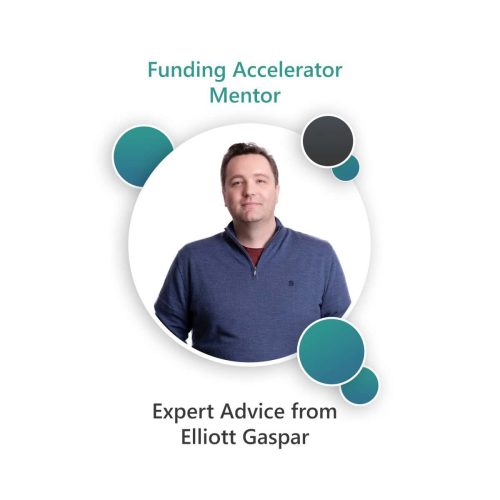
If you’re an underrepresented founder, securing investment for your startup can feel like an uphill battle. But working with advisers who understand these challenges not only gives you tools and techniques to navigate the system but also gives you the confidence and resilience to overcome the barriers in your way. Seeking support from expert mentors, joining founder communities, and learning from those who have successfully raised investment can be game-changing. On the Funding Accelerator programme there are expert mentors who provide practical support in overcoming bias, targeting the right investors and pitching with confidence. Having the right support network can make all the difference in a process that is as much about resilience and persistence as it is about money.
Believe in yourself
Securing investment for your startup is tough, but it’s not impossible. The tips we’ve shared here show how if you approach the right investors, build traction and prepare all your investor documents effectively you can significantly increase your chances of success. But there is one final ingredient for success. You will need to believe in yourself. Feeling prepared and supported in your funding journey gives you the confidence to thrive.If you are preparing to launch a funding round and need help refining your investor document or in finding the right investors, why not join a Funding Strategy Workshop that helps you focus on the things that are important to investors.
FAQs on Securing Investment for Your Startup
Why is it so hard to secure investment for my startup?
Many founders pitch too early, lack traction, or approach the wrong investors for their stage of business. Investors want evidence that your business can scale and deliver returns.
How do I know which investors are right for my stage?
Angel investors and crowdfunding platforms often back early-stage startups, while venture capital firms usually prefer revenue-generating businesses that are ready to scale. Matching your stage to the right investor increases your chances of success.
What counts as traction when pitching to investors?
Traction can mean paying customers, user growth, partnerships, or pilot projects that validate demand. Investors need to see proof that your product or service has a market.
Where can I find investors for my startup?
You can find investors through pitch events, accelerator programmes, angel networks, crowdfunding platforms like Crowdcube, or databases such as Scribe’s 400K+ angel contacts. Networking within startup communities also helps.
Why do underrepresented founders face more barriers to investment?
Bias and limited access to investor networks mean female, ethnically diverse, neurodiverse founders, and those outside London often face extra challenges. Working with funds that back diverse founders, such as Ada Ventures, can help overcome this.
What documents do I need to prepare before approaching investors?
You’ll need a strong pitch deck, clear financial forecasts, evidence of traction, and a realistic valuation. These documents demonstrate credibility and make it easier for investors to commit.
How can I build confidence when pitching to investors?
Work with mentors, join founder communities, and rehearse your pitch until it feels natural. The right support and preparation will help you overcome nerves and present your business with confidence.

- Funding Accelerator FAQs - March 27, 2026
- Creating calm to bolster founder creativity: practical tools that work with Olivia Greenberg - February 9, 2026
- Ten Funding Lessons From Just Move In’s Tom Old: How Founders Can Build Momentum and Close Rounds - January 12, 2026